

Table of Contents
- Why Shop Small for Graphic Apparel Matters
- The Economic Impact of Choosing Independent Creators
- Quality and Craftsmanship in Small-Batch Production
- Unique Design vs. Mass-Produced Clothing
- Sustainability and Ethical Production in Graphic Apparel
- How to Buy Comfortable Trendy Graphic Tees
- How to Style Graphic Tees for Every Occasion
- Supporting Community Spirit Through Your Purchases
- Conclusion: Make Every Graphic Tee Count
- Frequently Asked Questions
Last Updated: October 4, 2026
Why Shop Small for Graphic Apparel Matters
Understanding why shop small for graphic apparel means supporting artisans and small businesses directly. At Light and Salt Boutique, we've built our collection around this belief: vibrant, feel-good apparel should spark joy while supporting the makers behind each piece.
The difference is visible in fabric weight, print durability, and design care, and it matters to the independent creator who poured thought into every detail.
Shopping small for graphic apparel connects you directly to the maker's vision, something crafted with intention that tells a story and holds up to real life.
The Economic Impact of Choosing Independent Creators
Every purchase from an independent creator strengthens the local economy. Money circulates within the community as creators reinvest in their craft, hire locally, and build sustainable practices that reflect their values.
Independent artisans source materials thoughtfully, work with ethical manufacturers, and maintain direct customer relationships, building something they believe in rather than optimizing for quarterly earnings.
Small apparel producers support local textile suppliers, printing services, and shipping partners. The supply chain is shorter, more transparent, and more humane, you're voting for an economy where craftsmanship and community matter.
Consider the Pumpkin Patch Babe Sweatshirt from Light and Salt Boutique. This piece uses ethically grown US cotton blended with polyester for durability, features hand-drawn artwork with embroidered accents available on your choice of placement, and arrives with the understanding that someone cared about the details. That attention to craft is the opposite of fast fashion.

Quality and Craftsmanship in Small-Batch Production
Small-batch production prioritizes durability, comfort, and design integrity over volume.
Quality shows in fabric weight, double-needle stitching on seams, ribbed collars, and tubular knit construction (no side seams).
Direct-to-fabric printing bonds ink to fiber, preventing cracks and fading. Both require skill and precision.
The Ghost Dog Halloween T-Shirt exemplifies this craftsmanship. It's made from 100% ring-spun US cotton, garment-dyed for a soft, vintage texture, and constructed with double-needle stitching throughout. The design is rendered in warm tones that complement the garment-dye finish. After the first wash, it feels lived-in and comfortable, exactly what a quality graphic tee should do.

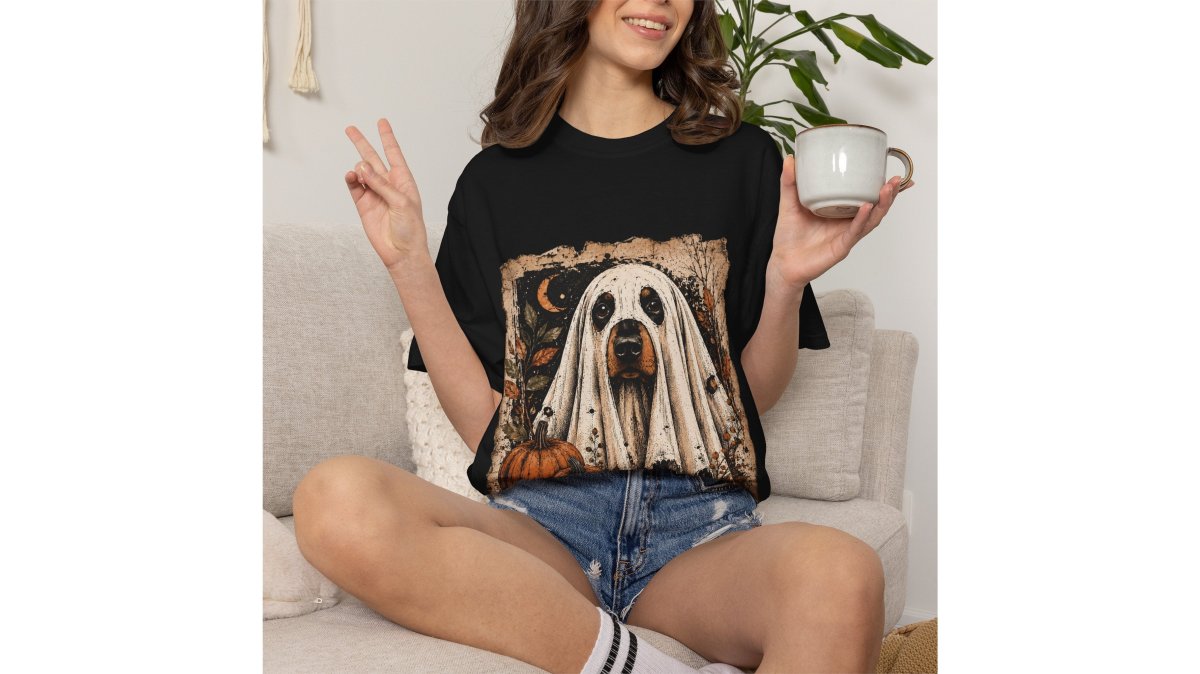
Small-batch producers prioritize finishing details: sewn-in labels, reinforced seams, and attention to drape, creating pieces that feel different the moment you wear them.
Unique Design vs. Mass-Produced Clothing
Mass-produced designs are tested for broad appeal and manufactured at scale for efficiency. Original designs from independent creators follow different logic.
Limited-run apparel is rare, designed for specific audiences rather than focus-grouped for mass appeal. The Pumpkin Spice Era Crewneck Sweatshirt features hand-drawn artwork created with a specific vision.

Small-batch designs reflect the creator's aesthetic, cultural background, or humor. The Cozy Halloween Vibes T-Shirt exemplifies this with pumpkin florals, gingham bows, and jack-o'-lanterns creating a cohesive visual story.
Mass-produced clothing uses the same templates across hundreds of variations; the design becomes invisible. Small-batch apparel makes the design central, it IS the product.
A unique design creates ownership and identity, you're wearing something that reflects your taste and values.
Sustainability and Ethical Production in Graphic Apparel
Small-batch production is inherently more sustainable than mass manufacturing. Understanding the environmental footprint gap helps you identify genuinely ethical producers.
Environmental Footprint: Small-Batch vs. Mass-Produced
A mass-produced cotton graphic tee requires approximately 700 gallons of water. Small-batch producers reduce this through shorter runs and efficient dye processes. Direct-to-fabric printing uses 90% less water than screen printing. Making 50 tees instead of 5,000 compounds water savings across the supply chain.
The fashion industry generates 92 million tons of textile waste annually. Mass retailers overproduce; unsold inventory ends in landfills. Small-batch producers use pre-order or made-to-order models, generating far less waste.
Large-scale manufacturing uses synthetic dyes and heavy metals that contaminate water. Small producers choose OEKO-TEX or GOTS certifications because they align with their values; mass manufacturers adopt them only under pressure.
Verifying Ethical Sourcing: A Checklist for Consumers
Not every "small shop" is ethical. Some are dropshippers, they take your order, purchase from mass manufacturers, and mark up the price without adding value. Use this checklist to verify genuine production:
1. Transparency About Manufacturing Ask where the garment is made and whether they can name the facility. Ethical producers know their manufacturers. Light and Salt Boutique produces in facilities with documented labor practices and reasonable working conditions.
2. Fiber Content and Sourcing Check if cotton is certified organic (98% less synthetic pesticide) or GOTS-certified (ensures supply chain standards). If a creator can't explain sourcing, they may lack direct supplier relationships.
3. Print Method Documentation Small producers should specify their method (screen printing, DTF, or embroidery) and explain their choice. Each has environmental trade-offs.
4. Dye Certifications Look for OEKO-TEX, GOTS, or Bluesign certifications. Ask directly if not mentioned, legitimate producers have this information.
5. Production Volume and Inventory Ethical producers use pre-order or made-to-order models. Large inventory in every size/color suggests dropshipping or overproduction.
6. Labor Practices and Fair Wages Ask about fair wages and safe working conditions. Ethical producers share this information proudly. If a creator won't discuss labor practices, shop elsewhere.
Longevity as Environmental Strategy
The most sustainable garment is one you wear for years. Small-batch apparel with double-needle stitching, heavyweight fabric, and quality printing is designed for longevity. The Ghost Dog Halloween T-Shirt improves with wear, it's softer and more comfortable, dramatically lowering environmental cost per wear.
How to Buy Comfortable Trendy Graphic Tees
Buying comfortable graphic tees requires knowing construction, fit, and whether you're supporting an independent creator or a dropshipper.
Pumpkin Patch Babe Sweatshirt →
Construction and Fabric Fundamentals
Start with fabric weight and fiber content. Heavyweight cotton (6.1 oz+) resists pilling and softens with wear. 100% cotton develops character; cotton-polyester blends (80/20 or 90/10) offer durability and wrinkle resistance.
Look for double-needle stitching on seams, ribbed collars, tubular knit construction, and sewn-in labels. These details separate quality small-batch apparel from mass-produced alternatives.
Fit matters as much as fabric. A relaxed fit allows layering; pre-shrunk fabric prevents unexpected shrinkage. The Probably Late For Something Graphic T-Shirt exemplifies these principles: 100% ring-spun US cotton, heavyweight, garment-dyed, and double-needle stitched.
Print Method and Design Durability
Consider the print method and design longevity. Direct-to-fabric printing (DTG or DTF) bonds ink directly to the fiber itself, creating prints that feel smooth and don't crack. Both methods, when done well, resist fading. Garment-dyed tees (dyed after construction rather than before) develop a soft, vintage aesthetic that improves with age and washing.
Ask the creator about print durability. What's the care recommendation? Small producers who stand behind their work will provide this information. If a creator can't answer, they may not have tested their process.
| Consideration | What to Look For | Why It Matters |
|---|---|---|
| Fabric Weight | 6.0-6.1 oz minimum | Durability, comfort, resistance to pilling |
| Fiber Content | 100% cotton or quality blends | Longevity, how it ages and softens |
| Stitching | Double-needle seams | Holds together through many washes |
| Construction | Tubular knit, no side seams | Clean fit, reduced waste |
| Fit | Relaxed or true-to-size | Comfort, layering capability |
| Print Method | Screen printing or DTF | Design longevity and vibrancy |
| Labels | Sewn-in, not printed | Comfort during extended wear |
Identifying Authentic Independent Creators vs. Dropshippers
This is the critical step most buyers skip. A "small shop" that's actually a dropshipper sources from mass manufacturers, marks up the price, and adds no design or quality value. You're not supporting an artisan; you're paying a middleman. Here's how to tell the difference:
Red Flags for Dropshippers:
- Massive inventory in every size and color at all times. Genuine small producers often have sold-out sizes or limited options because they produce based on actual demand.
- No information about the creator, their design process, or their story. Dropshippers hide behind generic "about us" pages.
- Vague sourcing information. If they can't tell you where the garment is made or who designed it, they're likely dropshipping.
- Prices that seem too low for the claimed quality. If a "premium" graphic tee costs $12, it's probably mass-produced and resold.
- No response to questions about manufacturing, materials, or design. Authentic creators engage with customers; dropshippers don't.
- Stock photos that look generic or professional rather than candid. Real small producers often photograph their own products.
Green Flags for Authentic Creators:
- Limited inventory or made-to-order production. The creator produces based on demand, not speculation.
- A clear creator bio with design background, inspiration, or story. Light and Salt Boutique shares our mission and design philosophy because we believe in transparency.
- Specific information about manufacturing location, fabric sourcing, and print methods. They can answer detailed questions.
- Engagement with customers through social media, email, or direct messaging. They remember repeat buyers and respond to feedback.
- Candid photos of real people wearing the apparel, often in lifestyle settings. These show how the garment actually looks and wears.
- Willingness to customize or discuss production details. Authentic creators care about the experience of buying from them.
- Certifications or partnerships with ethical manufacturers. They're proud of their supply chain and share it.
Questions to Ask Before You Buy
When considering a graphic tee from a small producer, ask these questions directly:
- Who designed this? A real answer tells you whether the creator is the designer or a middleman.
- Where is it made? They should name a region or facility, not deflect.
- What's the fabric? Specifics like "100% ring-spun US cotton" or "80% cotton, 20% polyester" show they know their product.
- How is it printed? Screen printing, DTG, DTF, or embroidery? They should explain why they chose that method.
- How long will it last? What's the expected lifespan with normal care? Confident creators will give you a realistic answer.
- Can I see it on a real person? Ask for photos of the tee on different body types. This shows fit and how the design looks when worn.
Authentic small producers welcome these questions. They're excited to talk about their work. If a creator seems annoyed or evasive, that's your signal to shop elsewhere.
How to Style Graphic Tees for Every Occasion
Graphic tees are more versatile than they appear. The key is understanding how to layer and pair them with other pieces. A cozy graphic sweatshirt works as a standalone piece on cool days or layered under a jacket. A lightweight graphic tee becomes the foundation for dozens of outfits.
For casual everyday wear, pair a graphic tee with jeans and sneakers. The graphic becomes your statement piece, so keep the rest of the outfit simple. If the tee is bold and colorful, neutral bottoms let it shine. If the design is subtle or vintage-feeling, you can add pattern or texture elsewhere.
For layering, use a graphic tee under an open cardigan, flannel shirt, or lightweight jacket. This approach extends the wearability of seasonal pieces. The Halloween Ghost Girl Long Sleeve Tee layers beautifully under a denim or corduroy jacket for crisp autumn afternoons. The vintage aesthetic complements classic outerwear.
Dress up a graphic tee by pairing it with structured bottoms and accessories. A tailored blazer over a fitted graphic tee creates a polished look suitable for casual workdays or social gatherings. Add a belt, a watch, and simple jewelry to elevate the casual piece.
For active occasions, farmers markets, pumpkin patches, casual gatherings, let the graphic tee be the star. Pair it with comfortable bottoms, a cardigan or sweatshirt if needed, and footwear that matches the vibe. The Pumpkin Patch Babe Sweatshirt, with its hand-drawn pumpkins and gingham bows, is designed for exactly this kind of outing.
Seasonal styling matters too. Fall and Halloween-themed graphics naturally pair with warm layers, earth-tone accessories, and cozy textures. Wear them with sweater vests, flannel, or chunky cardigans. Spring and summer graphics work with lighter layers or alone. The versatility of a well-made graphic tee means it earns its place in your regular rotation.
Supporting Community Spirit Through Your Purchases
When you buy from independent creators and small shops, you're supporting more than a business, you're supporting a community. Small-batch producers often have stories behind their designs. They create apparel that reflects shared values, local culture, or meaningful causes. Your purchase directly funds their ability to keep creating.
Community spirit shows up in how small businesses interact with their customers. Independent creators respond to feedback, customize orders, and build relationships with the people who wear their designs. They remember repeat customers. They care about the experience of buying from them, not just the transaction.
Small shops also tend to support other small businesses. They source locally when possible. They collaborate with other artisans. They participate in community events and give back to local causes. When you shop small, you're part of a network that strengthens the entire local economy.
The brand community around small-batch apparel is different too. People who buy limited-run, artisan-made clothing tend to care about quality, craftsmanship, and authenticity. You're shopping alongside others who value the same things. This creates a sense of belonging and shared purpose.
Light and Salt Boutique embodies this community spirit. We've built our collection around vibrant, feel-good apparel designed to spark optimism and self-expression. Every piece in our collection, from the Cozy Halloween Vibes T-Shirt to the Motivational Office Portrait T-Shirt, reflects our belief that clothing should celebrate who you are and bring joy to your daily routine.
When you shop with us, you're choosing a business that prioritizes quality, creativity, and community over volume and profit margins. You're supporting a team that cares about the details, the story behind each design, and the experience of wearing something that makes you feel good.
Conclusion: Make Every Graphic Tee Count
Choosing to shop small for graphic apparel is a choice about values. It's about supporting independent creators, prioritizing quality and craftsmanship, and investing in pieces that will last. Small-batch production creates unique designs, sustainable practices, and genuine community connections that mass-market alternatives simply cannot match.
Every graphic tee you buy from a small producer becomes part of your story. It's a piece that reflects your taste, supports an artisan's vision, and strengthens the local economy. The quality construction means it will soften and improve with wear, becoming a favorite rather than a disposable item.
At Light and Salt Boutique, we've made it our mission to create vibrant, feel-good apparel that celebrates self-expression and sparks optimism. Our collection features original designs, premium construction, and a commitment to ethical production. From cozy fall sweatshirts like the Pumpkin Spice Era Crewneck to playful graphic tees like the Probably Late For Something Graphic T-Shirt, every piece is designed to deliver comfort, durability, and joy. Shop now and discover apparel that truly makes your outfits feel like a celebration.
Frequently Asked Questions
What makes small-batch graphic apparel different from mass-produced clothing?
Small-batch graphic apparel prioritizes craftsmanship, unique designs, and ethical production. Independent creators use higher-quality materials like ring-spun cotton and thoughtful printing techniques such as DTF (direct-to-film) methods. Mass-produced clothing often cuts corners on durability and design originality. When you shop small for graphic apparel, you're getting pieces with story, personality, and longevity, not cookie-cutter designs made for fast fashion cycles.
How does shopping small impact the local economy?
Shopping small for graphic apparel directly supports independent designers, artisans, and small-scale manufacturers. Money spent at small businesses stays in local communities longer than purchases at large corporations. Independent creators often source materials locally, collaborate with other small vendors, and reinvest profits into their craft. This creates a multiplier effect: your purchase supports not just one business, but an entire ecosystem of local talent and commerce.
Are small-batch graphic tees more sustainable than fast fashion?
Yes. Small businesses typically use ethical production methods, sustainable materials, and limited-run production to minimize waste. Many independent brands use OEKO-TEX certified dyes, ring-spun US cotton, and avoid overproduction. Fast fashion relies on massive inventory and frequent discarding of unsold stock. By choosing small-batch graphic apparel, you reduce your environmental footprint and support brands that prioritize longevity over disposability. Quality pieces last longer, which means fewer replacements and less textile waste.
How can I verify that a small business uses ethical sourcing for their graphic apparel?
Look for transparent labeling about materials, manufacturing location, and certifications like OEKO-TEX or Fair Trade. Small businesses often share their story, where cotton is grown, how prints are made, and who makes the apparel. Check product descriptions for specific details about fabric composition (100% ring-spun US cotton, for example) and care instructions that indicate quality. Many independent creators also highlight their commitment to small-scale manufacturing and ethical labor practices on their websites or social media.