

Table of Contents
- Why Uplifting Home Decor Matters for Daily Wellbeing
- Uplifting Living Room Decor Ideas That Actually Work
- Decorating for Positive Energy Through Plants and Nature
- Colorful Home Decor Ideas to Brighten Your Mood
- Natural Light and Fresh Air: The Foundation of Positive Spaces
- Meaningful Wall Art for Home That Resonates
- Spiritual Decor and Symbols: Vastu and Feng Shui Principles
- Decluttering and Cleanliness: The Reset Your Space Needs
- Budget-Friendly Ways to Refresh Your Home
- How to Evaluate Whether Your Changes Are Working
- Frequently Asked Questions
Last Updated: October 11, 2026
Why Uplifting Home Decor Matters for Daily Wellbeing
Your physical environment shapes your mood and mindset. Intentionally designed rooms that spark joy and foster calm build a foundation for daily wellbeing.
The right combination of textures, colors, natural elements, and meaningful objects transforms ordinary moments into celebrations. Small touches, a throw blanket, a candle, a plant, accumulate into an environment that genuinely uplifts you.
Our surroundings directly affect stress levels, sleep quality, and mental health. A thoughtfully arranged room with good light, clean lines, and comforting textures invites you to slow down and breathe.
Uplifting Living Room Decor Ideas That Actually Work
Your living room is where daily life unfolds. Uplifting living room decor ideas focus on layering comfort, creating visual interest, and establishing a focal point that anchors the room.
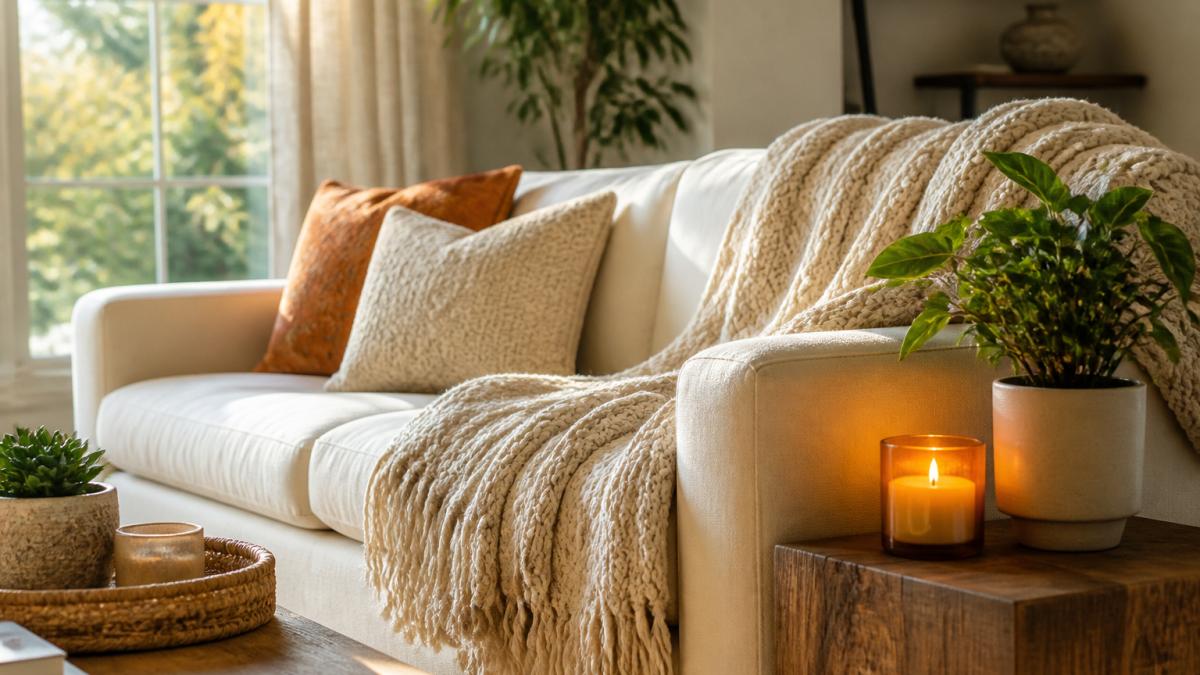
Layering Texture and Comfort
Layering different tactile materials, soft fabrics, natural wood, smooth ceramics, woven elements, makes a room feel warm and safe.
A quality throw blanket signals "this is a place to relax." The Pattern Velveteen Plush Blanket delivers tactile warmth with its velveteen polyester and nest-pattern print at $41.99.

Layer in pillows: mix solid colors with subtle patterns and vary sizes. The Halloween Pumpkin Girl Decorative Pillowcase at $20.99 adds warmth and whimsy with nostalgic, comforting motifs.

Add one woven element: a jute basket for blanket storage, a rattan chair, or a woven wall hanging. These natural textures ground a room and connect it to the outdoors, even in an urban apartment.
Creating a Focal Point That Draws the Eye
Every room needs one anchor, a spot where your eye naturally lands and lingers. This focal point organizes the entire space visually and gives your brain a place to rest.
Create a focal point by hanging meaningful wall art, arranging a console table, or positioning a plant in afternoon light. The Autumn Blessings Soy Candle in its reusable amber jar becomes both scent and visual anchor at $16.10.

The focal point should feel intentional but not staged. A stack of books, a single large plant, or art you love works better than a perfectly curated shelf that feels untouched.
Decorating for Positive Energy Through Plants and Nature
Plants uplift your space by cleaning the air, adding movement through growth, and creating a sense of life and renewal.
Low-light plants like pothos, snake plants, and ZZ plants thrive in ordinary conditions. A single large plant creates visual weight; smaller plants clustered on shelves add texture without dominating.
Studies show people report lower stress and higher mood in spaces with living plants, even a small one on a desk or nightstand.
Pair plants with natural materials, wood shelves, terracotta pots, woven planters, to reinforce connection to nature. Watering plants consistently becomes a meditative daily ritual.
Colorful Home Decor Ideas to Brighten Your Mood
Warm colors activate and energize; cool colors calm and soothe; neutrals provide balance. Choose colors that genuinely resonate with you and apply them strategically by room.
Color by Room and Function
Bedrooms: Prioritize calm. Soft blues, greens, warm grays, and muted lavenders support sleep. Use warm tones in accents, a throw blanket or pillow, rather than wall color. Muted versions work better than saturated or neon.
Living rooms: Warm neutrals create an inviting base. Layer one or two accent colors through pillows, throws, or art. Balance bold accents with neutral furniture to avoid overwhelming the room.
Home offices: Soft blues and greens reduce eye strain and support concentration. Avoid stimulating colors in your direct line of sight; use them in accents. A warm accent color in a small area provides gentle activation.
Kitchens and dining areas: Warm colors encourage appetite and conversation. Soft yellows, warm oranges, and coral work well. Pair bold colors with neutral surfaces to avoid a cramped feel.
Testing Color Combinations Without Commitment
Layer colorful home decor through textiles, art, and accessories before investing in permanent changes.
Start small: Buy one colorful item, a pillow, blanket, or artwork, and live with it for two weeks to test how it affects your mood.
Use the 60-30-10 rule: Dominant color (60%, typically neutral), secondary color (30%), and accent color (10%). This proportion feels balanced without overwhelming.
Layer warm and cool: Use them in separate zones, a warm blanket on a cool sofa, or cool pillows with a warm rug, to create visual interest.
Test with textiles first: Throw blankets, pillows, and rugs are affordable and easy to swap. Test color combinations before committing to wall color or furniture.
Color and Sensory Sensitivity
Not everyone responds to color the same way. If you're sensitive to visual stimulation, overly bright colors, or high contrast, adjust your approach:
For visual sensitivity: Use muted colors and soft contrasts. Avoid high-contrast combinations in areas where you spend significant time.
For limited natural light: Warm colors make dim spaces feel cozier. Prioritize warm neutrals and add brightness through lighting rather than color.
For small spaces: Light, neutral colors make rooms feel larger. Use color in accents; keep walls and large furniture neutral.
The Personal Color Test
After making color changes, notice whether you linger longer, feel more energized or calm, and whether the colors feel authentically "you." Give changes at least two weeks to settle. If a combination doesn't resonate, swap it out.
Natural Light and Fresh Air: The Foundation of Positive Spaces
Natural light and fresh air are non-negotiable foundations. Natural light regulates circadian rhythm and boosts mood; open curtains during the day and position seating near windows (pubmed.ncbi.nlm.nih.gov). If lacking natural light, invest in full-spectrum bulbs. Open windows daily for fresh air and oxygen. If window access is limited, consider an air-purifying plant or humidifier.
Meaningful Wall Art for Home That Resonates
Wall art is not decoration, it's a daily message. Every piece you hang should either make you pause and smile or remind you of something important.
Meaningful wall art for home might be a print with a quote that grounds you, a piece of art you created, a photograph of someone you love, or an abstract work that simply makes you happy. The cost doesn't matter; the resonance does. A $15 print that speaks to you beats a $200 piece that feels obligatory.
Gallery walls work when each piece feels intentional and connected. Mix frames, vary sizes, but ensure each piece has genuine meaning. Step back and ask: does this wall tell a story about who I am and what I value?
Autumn Blessings Soy Candle — Amber Jar, 'Time to Praise' Fall Scented Candle →
Alternatively, embrace the power of white space. One large, meaningful piece on a blank wall often creates more impact than a crowded arrangement. Let the art breathe.
Spiritual Decor and Symbols: Vastu and Feng Shui Principles
Many traditions offer guidance on arranging spaces to support positive living. Vastu, rooted in ancient Indian architecture, and Feng Shui, from Chinese philosophy, have experienced renewed interest as people seek intentional living approaches. Understanding the difference between cultural belief and practical benefit helps you make choices aligned with your values and lifestyle.
What Vastu and Feng Shui Actually Recommend
Vastu emphasizes the five elements, earth, water, fire, air, and space, and their balance within a room. Practitioners suggest placing water elements (fountains, imagery) in the north or east, mirrors to reflect light and expand space, and earth tones and natural materials for grounding. Feng Shui focuses on the flow of chi (energy) and recommends positioning seating to face doorways for a sense of control, avoiding clutter to allow energy movement, and using the Bagua map to assign meaning to different room zones.
Many of these recommendations align with established principles of comfort and psychology: good lighting, clear pathways, meaningful focal points, and clutter-free spaces genuinely do feel better. A mirror positioned to reflect natural light improves brightness and perceived spaciousness, a measurable benefit independent of spiritual belief. A seating arrangement that lets you see the entrance creates a sense of security, supported by environmental psychology research on prospect and refuge.
Tradition Versus Practical Benefit: How to Decide
If you're drawn to Vastu or Feng Shui principles, distinguish between what serves your wellbeing and what aligns with cultural tradition:
Practical benefits you can test:
- Does a mirror in this location actually brighten the room?
- Does rearranging furniture to face the door make you feel more at ease?
- Does a water feature (fountain, imagery) create a calming focal point?
- Does adding earth tones and natural materials make the space feel grounded?
Symbolic or spiritual elements:
- Buddha statues, religious idols, dreamcatchers, and wind chimes serve as focal points and personal reminders of intention. Their power lies in your deliberate choice and daily attention, not in inherent energy properties.
- Crystals and gemstones are valued in many traditions for symbolic meaning. If you're drawn to them, display them where you'll notice them regularly, a bedside table, a shelf at eye level, or a window where light catches them. Treat them as meaningful objects rather than passive energy sources.
The most important principle from both traditions is this: your space should feel intentional and aligned with your values. Whether you follow Vastu, Feng Shui, or your own intuition, the act of arranging your home with awareness creates a sense of purpose and control.
Safety and Placement Considerations
If you're adding water features, statues, or other symbolic objects, practical care matters:
Water features and fountains:
- Place on a stable, level surface away from electronics and outlets. Check stability before filling.
- Empty and refill regularly to prevent stagnant water and mold growth.
- Ensure drainage is contained to avoid water damage to floors or furniture.
- If you have pets or young children, confirm the feature is stable and won't tip if bumped.
- In dry climates, a humidifier may serve the same air-quality purpose with less maintenance.
Statues and meaningful objects:
- Position heavier pieces on low shelves or the floor to prevent tipping.
- Avoid placing fragile items in high-traffic areas or on unstable surfaces.
- Keep religious or spiritual objects at a height and location that feels respectful to you.
- Dust regularly to keep them clean and to maintain your daily awareness of them.
Plants paired with decor:
- If you're combining plants with symbolic objects (a plant beside a Buddha statue, for example), ensure the plant receives adequate light and the object won't block water or airflow.
- Choose pet-safe plants if you have animals. Lilies, sago palms, and certain succulents are toxic to cats and dogs; pothos, snake plants, and spider plants are generally safe.
Decluttering and Cleanliness: The Reset Your Space Needs
Clutter is invisible weight. It taxes your attention, creates low-grade stress, and makes even a beautiful room feel chaotic.
Start with one small area: a nightstand, a shelf, or a corner. Remove everything. Keep only items that serve a purpose or bring genuine joy. Return them thoughtfully. This small reset creates momentum and proves that decluttering is possible.
Work outward from there. A living room that feels open and clean amplifies the impact of every piece of decor you add. A cluttered room, no matter how beautifully furnished, feels overwhelming.
Cleanliness is equally important. Dust surfaces, vacuum regularly, and wipe down mirrors and windows. These basic acts keep your space feeling fresh and cared-for. A clean room feels like an invitation to rest; a dusty one feels neglected.
The combination of decluttering and cleaning is transformative. You don't need new furniture or expensive art, you need space to breathe and surfaces that shine.
Budget-Friendly Ways to Refresh Your Home
An uplifting home doesn't require a major investment. Strategic, affordable choices create impact.
Start with textiles. A new throw blanket, a set of pillows, or a small area rug instantly changes how a room feels. Light and Salt Boutique offers quality options across price points: the Halloween Ghost & Black Cat Hand Towel at $14.99 adds whimsy to a bathroom, while the Pattern Velveteen Plush Blanket at $41.99 transforms a sofa.
Add one plant. Even a small pothos from a local nursery costs $10-15 and makes a measurable difference.
Introduce scent. A quality candle like the Autumn Blessings Soy Candle at $16.10 creates atmosphere and the amber jar becomes reusable decor.
Rearrange what you already own. Move furniture, rehang art, reposition plants. Sometimes the refresh you need is organizational, not financial.
Invest in one quality piece, a throw blanket, a candle, a doormat like the Doormat, "Hey Boo" at $35.99, that you'll use and see daily. One beloved item matters more than ten mediocre ones.
| Budget Level | Recommended Items | Approximate Cost | Impact |
|---|---|---|---|
| Under $30 | Hand towel, small candle, or doormat | $15-30 | Adds personality and scent |
| $30-75 | Throw blanket or decorative pillowcase | $41-49 | Transforms seating area |
| $75-150 | Quality blanket plus candle plus small accessories | $75-150 | Complete room refresh |
| $150+ | Larger blanket, multiple textiles, plants, and art | $150+ | Comprehensive uplifting |
How to Evaluate Whether Your Changes Are Working
Intentional decor changes should create a measurable shift in how you feel at home. Track this subjectively but seriously.
After making changes, notice: Do you linger longer in this space? Do you feel calmer? More energized? Do you invite others to sit here? These are real indicators of success.
Give changes time to settle, at least two weeks. Initial excitement fades, and you'll discover what genuinely works versus what looked good in the moment.
If a piece doesn't resonate after two weeks, remove it. Your space should evolve as your tastes and needs change. This isn't failure; it's refinement.
Document what works. If a certain color combination, lighting setup, or arrangement makes you feel genuinely better, note it. You're building a personal language of what uplifting home decor means for you.
The ultimate test: does this space invite you to slow down, be present, and feel at peace? If yes, you've succeeded. If no, adjust and try again.
Creating uplifting home decor for positive living is an ongoing practice, not a finished project. Each choice, a blanket, a candle, a plant, a moment of intentional arrangement, compounds into an environment that genuinely supports your wellbeing.
Light and Salt Boutique exists to help you make these choices with confidence. Our collection of thoughtfully designed home decor, from cozy blankets to meaningful accessories, is built on the belief that your surroundings should spark optimism and celebrate everyday moments. Shop now and discover pieces that transform your space into a sanctuary worth savoring.
Frequently Asked Questions
How can I decorate my home for positive energy on a budget?
Start with what you already own: rearrange furniture to let natural light flow, add a few affordable plants like pothos or snake plants, and incorporate one or two meaningful pieces like an uplifting candle or throw blanket. Light and Salt Boutique offers affordable options like the Autumn Blessings Soy Candle at $16.10 and welcome mats starting at $29.99. Decluttering costs nothing and instantly lifts the mood of any room.
What colors make a room feel more uplifting and positive?
Warm tones like soft oranges, warm yellows, and creams create comfort and optimism. Soft greens bring nature indoors and promote calm. Jewel tones like deep purples and teals add richness without overwhelming. Avoid heavy darks in small spaces. Mix one or two bold colors with neutral backgrounds for balance. Colorful home decor ideas work best when colors complement your natural light and existing furniture.
Should I follow Feng Shui or Vastu principles for decorating?
Both Feng Shui and Vastu offer valuable frameworks for intentional decorating. Feng Shui emphasizes flow, balance, and energy movement; Vastu focuses on directional alignment and elemental harmony. You don't need to follow either strictly, pick principles that resonate with you. What matters most is that your space feels intentional and reflects your values. Meaningful decor items like crystals, plants, or spiritual symbols can support either approach.
How often should I refresh my home decor to maintain positive energy?
Seasonal refreshes work well for most people. Swap out throw pillows, rotate artwork, or add seasonal accents every few months. Light and Salt Boutique offers seasonal pieces like the Halloween Pumpkin Girl Decorative Pillowcase ($20.99) that make rotation easy. The key is intentionality, small changes signal renewal. Pay attention to how your space makes you feel; if it starts feeling stale, it's time for an update.