

Table of Contents
- What You're Actually Paying For in Faith-Based Clothing
- How to Spot High-Quality T-Shirts and Graphic Apparel
- The Value of Boutique vs Mass-Market Apparel
- Ethical Manufacturing and Supply Chain Transparency
- Cost-Per-Wear: The Real Measure of Value
- Best Christian Apparel Brands: What Separates Quality from Hype
- Is Faith-Based Clothing Worth Your Money? The Verdict
- Frequently Asked Questions
Last Updated: September 19, 2026
What You're Actually Paying For in Faith-Based Clothing
When you're asking is faith based clothing worth the price, you're really asking what separates a $35 graphic tee from a $15 one, and the answer goes beyond the message on the front.
Quality faith-based apparel costs more due to material choices, construction, and print durability. The Believe John 3:16 T-Shirt at $33.99 uses heavyweight 100% ring-spun cotton with garment-dyed finish, double-needle stitching, and tubular knit construction, all designed to hold shape and color through dozens of washes. Mass-market alternatives use thinner blends, single-needle seams, and reactive dyes that crack and fade faster.

Print quality matters equally. Direct-to-Film (DTF) and Direct-to-Garment (DTG) printing bonds ink directly to fabric fibers, creating prints that survive 30+ washes.
You're also paying for thoughtful design. Each piece involves artistic work, color selection, and messaging that connects spiritually, intentionality that costs more than generic graphics churned out by algorithm.
How to Spot High-Quality T-Shirts and Graphic Apparel
Fabric weight is critical. Heavier fabric resists pilling, holds dye better, and maintains structure through repeated washing.
Faith-based apparel uses three primary fabric blends, each with different durability and cost profiles:
100% Ring-Spun Cotton, Premium choice for tees and tanks. Ring-spun fibers twisted in a spiral pattern create smoother, stronger yarn that reduces pilling and increases color retention. The Believe John 3:16 T-Shirt at $33.99 uses this fiber for longevity. Ring-spun requires proper care (cold water, low heat) to maintain color depth.
50/50 Cotton-Polyester Blends, Common in sweatshirts like the I Still Believe Sweatshirt at $29.99. Polyester adds durability and reduces shrinkage; cotton provides breathability. This blend tolerates warm water and medium heat and resists wrinkles.

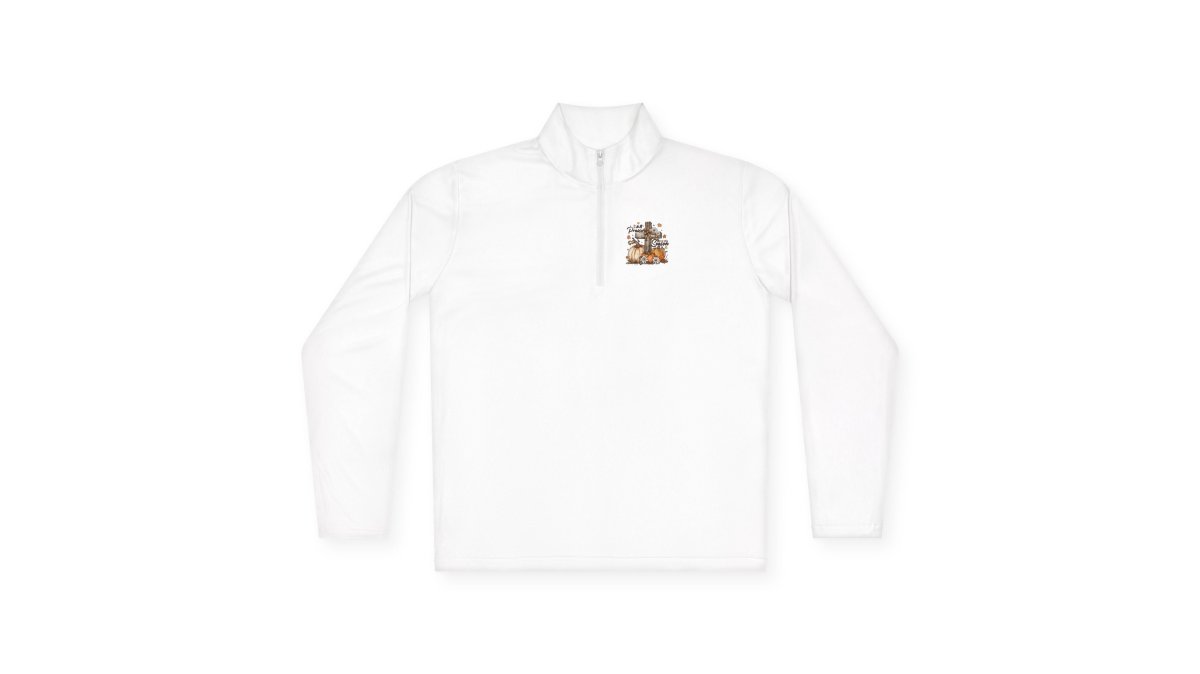
100% Polyester (Moisture-Wicking), Used in performance pieces like the Autumn Cross & Pumpkins Quarter-Zip Pullover at $53.33. Polyester wicks sweat, dries quickly, and resists fading. The higher price reflects specialized fiber treatment enabling moisture-wicking, essential for active wear or humid conditions.

Double-needle stitching creates two parallel lines of thread, locking fabric more securely than single-needle construction. Tubular knit (seam-free sides) creates cleaner lines that last longer. Loose threads or uneven stitching signal rushed production and lower-quality materials.
High-quality DTF or DTG prints feel textured and bonded to fabric, not plasticky. Press your fingernail gently; if it cracks, it won't survive washing. DTF and DTG survive 30+ washes.
Garment-dyed pieces like the She Loves Jesus Western Graphic T-Shirt show soft, lived-in color that deepens with age. Garment dyeing costs more but creates color integrated into fabric rather than sitting on the surface.
Sewn-in labels stay put; glued or printed labels crack and peel. Quality brands invest in label comfort, signaling they expect repeated wear.
The Value of Boutique vs Mass-Market Apparel
Mass-market retailers optimize for speed and volume, using cheaper fabrics and minimal quality control. A $15 tee might feel fine in-store but the print fades, the collar stretches, and fabric pills. You're buying something disposable.
Boutique brands produce smaller quantities with better materials and tighter quality standards. The Autumn Cross & Pumpkins Quarter-Zip Pullover at $53.33 uses 100% polyester with moisture-wicking and powder-coat finish, the actual cost of those materials. Designs are thoughtfully integrated, not generic.
The real difference shows up after repeated washes. A boutique piece is still wearable, colors still vibrant, seams still intact.
| Aspect | Mass-Market | Boutique |
|---|---|---|
| Fabric Weight | 4.5-5.0 oz | 6.0-8.0 oz |
| Stitching | Single-needle | Double-needle, tubular knit |
| Print Durability | 5-10 washes | 30+ washes |
| Color Retention | Fades noticeably | Deepens or holds |
| Cost Per Wear | Higher (short lifespan) | Lower (long lifespan) |
| Design Intentionality | Generic | Thoughtful, specific |
Ethical Manufacturing and Supply Chain Transparency
Where your apparel is made matters, both for quality and for your values. But "ethical manufacturing" is a term that gets used loosely. Understanding what it actually means, and how to verify it, separates genuine commitments from marketing language.
Ethical apparel production involves three measurable components: fair labor practices (documented wages and working hours), safe working conditions (inspected facilities), and environmental responsibility (certified dyes and waste management). Ethical manufacturing means knowing who made your clothes and under what conditions.
Certifications That Matter
When evaluating a faith-based apparel brand's supply chain claims, look for these third-party certifications:
OEKO-TEX Standard 100, Verifies dyes and chemicals are safe for skin and environment, tested at every production stage. The Christian Church Sweatshirt at $29.99 uses OEKO-TEX certified dyes, signaling genuine commitment.
Fair Trade Certified, This certification ensures workers earn a living wage, work reasonable hours, and have safe conditions. Fair Trade Certified facilities are audited annually. If a brand claims Fair Trade status, they should display the Fair Trade logo prominently and link to their certification record. The absence of this logo when a brand claims ethical labor practices is a red flag.
Global Organic Textile Standard (GOTS), This verifies that cotton is grown without synthetic pesticides and that the entire supply chain meets environmental and labor standards. GOTS certification is rare in faith-based apparel but worth seeking out, as it's the most rigorous standard available. Brands using GOTS-certified cotton will advertise it prominently because it justifies higher pricing.
Bluesign®, This certification tracks chemical use throughout the dyeing and finishing process, ensuring no hazardous substances enter the supply chain. It's particularly relevant for polyester blends and moisture-wicking fabrics, where chemical treatments are common.
Transparency Markers: What to Look For
Named Factories and Countries, Brands committed to transparency name manufacturing locations. Light and Salt Boutique sources from manufacturers in Nicaragua and Honduras. If a brand won't name the factory or country, that's a transparency gap.
Published Supply Chain Maps, Some brands publish detailed supply chain information.
Red Flags in Supply Chain Claims
For faith-based apparel, ethical manufacturing aligns with the values the apparel represents. A shirt with a faith message loses credibility if made in exploitative conditions. Verify integrity through certifications and transparency.
Cost-Per-Wear: The Real Measure of Value
The price tag matters less than the total cost of ownership. Cost-per-wear is the metric that actually determines value.
Pieces you actually wear regularly multiply in value.
Best Christian Apparel Brands: What Separates Quality from Hype
Light and Salt Boutique stands out by balancing vibrant design with substantial materials. The Prayed About It & Let It Go T-Shirt at $15.99 uses 100% ring-spun US cotton with garment-dyed finish and graffiti-style cross.
| Product | Price | Fabric | Best For | Durability |
|---|---|---|---|---|
| Salt and Light Tank Top | $21.99 | 100% ring-spun cotton | Summer, layering | 100+ wears |
| Prayed About It & Let It Go T-Shirt | $15.99 | 100% ring-spun cotton | Budget-conscious | 80+ wears |
| Believe John 3:16 T-Shirt | $33.99 | 100% ring-spun cotton | Everyday wear, church | 100+ wears |
| I Still Believe Sweatshirt | $29.99 | 50/50 cotton-poly | Layering, cool weather | 80+ wears |
| Coffee & Jesus Hoodie | $32.99 | 50/50 cotton-poly | Fall, casual outings | 80+ wears |
| Quarter-Zip Pullover | $53.33 | 100% polyester | Active wear, layering | 100+ wears |
Is Faith-Based Clothing Worth Your Money? The Verdict
Whether is faith based clothing worth the price depends on whether you actually wear what you buy. If you reach for pieces repeatedly because they fit your life and reflect your values, faith-based apparel from Light and Salt Boutique is worth the price. If you're buying for novelty or occasional wear, a cheaper option works fine. Calculate cost-per-wear: if it's a staple you'll reach for regularly, the higher price pays for itself.
Frequently Asked Questions
What makes faith-based clothing worth the price compared to fast fashion?
Faith-based clothing typically uses higher-quality fabrics (like 100% ring-spun cotton or durable blends) and double-needle stitching that withstand repeated washing. A $33.99 graphic tee from a boutique brand often outlasts cheaper alternatives, lowering your cost-per-wear. The mission-driven approach also means ethical manufacturing and transparent sourcing.
How do I know if a faith-based apparel brand is actually ethical?
Look for brands that disclose where and how their products are made. Check if they mention OEKO-TEX certification, ethically grown materials, or specific manufacturing partners. Transparent supply chain practices and clearly stated labor standards are signs of genuine commitment.
What fabric weight and construction details should I look for in high-quality graphic tees?
Check for 100% ring-spun cotton or quality cotton-blend construction, tubular knit (no side seams), and double-needle stitched hems. Garment-dyed finishes add longevity and a lived-in look. Direct-to-film (DTF) or direct-to-garment (DTG) printing lasts longer. These details justify the higher price and ensure your investment holds up through years of wear.
Can faith-based clothing really transition from casual wear to events, or is it just statement pieces?
Quality faith-based apparel is designed for everyday wear, not just statement moments. Pieces like the Coffee & Jesus Hoodie ($32.99) or Believe John 3:16 T-Shirt ($33.99) use neutral color palettes and versatile fits that layer easily and work for church, errands, casual outings, and gatherings. The key is choosing pieces with timeless designs and neutral tones, these integrate into your wardrobe rather than sitting unused.
Faith-based clothing worth the price comes down to one thing: will you actually wear it? If the message resonates and the fit works for your life, quality apparel from Light and Salt Boutique delivers real value through durability, thoughtful design, and ethical manufacturing. Shop now and discover pieces that turn ordinary days into celebrations worth wearing.