

Table of Contents
- Why Graphic Tees Fade: Understanding Print Damage
- Wash Your Graphic Tees in Cold Water to Preserve Vibrancy
- Choose the Best Laundry Detergent for Graphic Tees
- Turn Graphic Tees Inside Out Before Every Wash
- Air Drying vs. Machine Drying Graphic Tees: Which Protects Prints Better
- Stain Removal on Graphic Tees Without Damaging Prints
- Buy Comfortable, Trendy Graphic Tees Built to Last
- Conclusion
- Frequently Asked Questions
Last Updated: September 21, 2026
Why Graphic Tees Fade: Understanding Print Damage
Graphic tees fade from heat, friction, harsh chemicals, and mechanical agitation. But damage varies by print type. Understanding what damages your specific print helps you protect it correctly.
Three Print Types, Three Different Care Needs
Most graphic tees use screen printing, direct-to-garment (DTG), or vinyl transfers. Each reacts differently to water temperature, detergent strength, and drying methods.
Screen Printing
Screen prints sit on the fabric surface as a layer of ink bonded through adhesive. The adhesive weakens above 140°F or with repeated friction. They're most at risk from tumble drying and washing with heavy fabrics. Screen prints tolerate cold water well and benefit from inside-out washing and air drying.
Direct-to-Garment (DTG) Printing
DTG prints penetrate fabric fibers, creating a softer feel than screen printing. They're vulnerable to heat above 130°F and UV exposure. DTG prints fade more easily than screen prints but resist cracking. They require cold water and air drying.
Vinyl Transfers
Vinyl transfers are heat-pressed onto garments and temperature-sensitive. Heat above 120°F causes shrinking, lifting, or peeling. They're most at risk from machine drying and hot water but tolerate cold water and air drying well.
How to Identify Your Print Type
Screen prints feel raised and textured. DTG prints feel soft and integrated into fabric. Vinyl transfers feel plasticky and smooth. Knowing your print type lets you adjust care accordingly.
The Real Culprit: Temperature, Chemicals, and Friction
Cold water preserves vibrancy across all print types. Hot water accelerates fading and weakens adhesive. Bleach and fabric softener break down print adhesion. High-heat tumble drying causes cracking, peeling, and shrinkage. Wrong detergent strips color from garment and graphic.
Light and Salt Boutique carries graphic tees designed to last, like the Knowledge Powered by Google T-Shirt made from pre-shrunk ring-spun cotton with a garment-dyed finish. Protecting graphic tees vibrant requires understanding temperature, chemicals, and friction.

Wash Your Graphic Tees in Cold Water to Preserve Vibrancy
Cold water keeps graphic tees vibrant by locking colors in and stabilizing print adhesive. Use the coldest setting your washer offers, ideally below 60°F.
A gentle cycle reduces mechanical agitation and friction between the graphic and surrounding fabrics while still cleaning effectively.
Wash graphic tees with similar colors and fabrics to prevent color bleeding and friction damage.
Choose the Best Laundry Detergent for Graphic Tees
Standard detergents contain harsh surfactants and bleaching agents that strip color and weaken print adhesion.
Surfactants and Print Adhesion
Surfactants reduce surface tension between print and garment fibers, weakening adhesion over time. Look for detergents labeled "color-safe" or "for dark fabrics" with gentler surfactants and no optical brighteners.
Avoid Fabric Softeners and Optical Brighteners
Fabric softeners trap moisture against prints, degrading inks faster. Optical brighteners cause uneven fading. Skip both entirely.
Knowledge Powered by Google T-Shirt →
Enzyme-Based Detergents for Stain Removal
Enzyme-based detergents break down organic stains without attacking print adhesive. Apply directly to the stain, let sit 10-15 minutes, then wash in cold water.
Dosage Matters More Than Brand
Use half the recommended detergent amount. A full dose leaves residue that dulls colors and accumulates on prints. A half dose cleans just as well while being gentler.
The Laundry Bag Strategy: Your First Line of Defense
One of the most overlooked tools for protecting graphic tees is a mesh laundry bag. Mesh bags create a barrier between your graphic tees and other garments, eliminating the friction that causes cracking and peeling. This is especially important if you wash multiple graphic tees together or mix them with heavier fabrics like jeans or towels.
Use a fine-mesh or delicate-cycle laundry bag (typically 20-24 inches long). Place your graphic tees inside the bag, zip it closed, and wash as normal. The mesh allows water and detergent to circulate freely while preventing direct contact between the print and other garments. This single step reduces mechanical damage more effectively than any detergent choice alone.
Mesh bags are reusable for years. They're especially valuable if you own multiple graphic tees or wash them frequently. Pair a mesh bag with cold water, gentle cycle, and inside-out washing for maximum protection.
Turn Graphic Tees Inside Out Before Every Wash
Turning graphic tees inside out before washing is one of the simplest and most effective protection methods. It shields the print from direct friction with other garments, detergent concentration, and mechanical agitation.
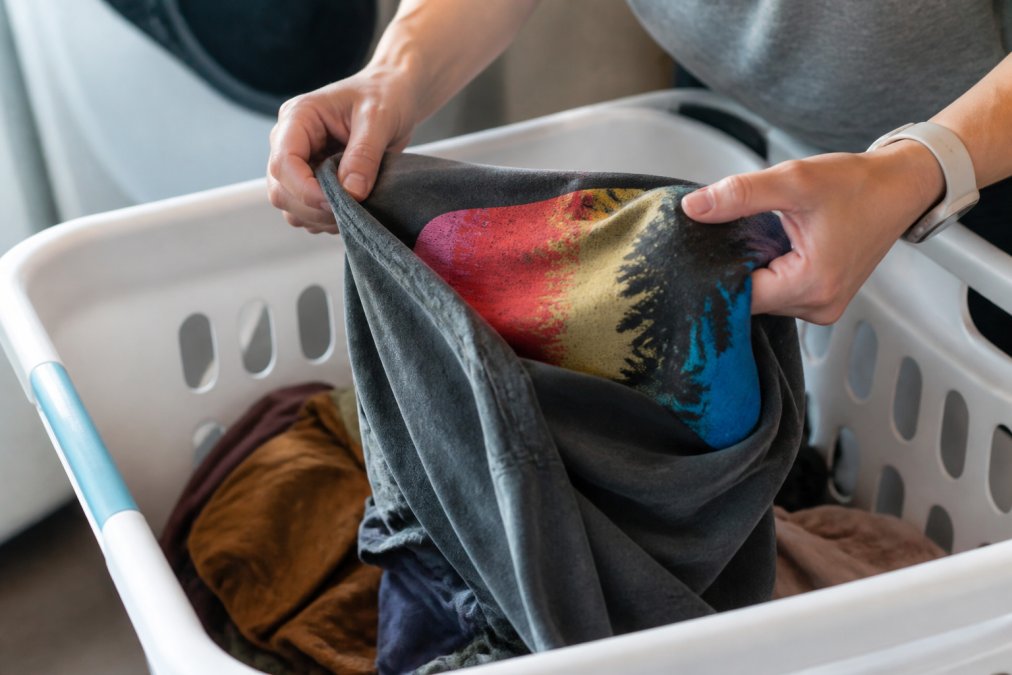
When the graphic faces inward, it sits against the softer interior of the garment. Friction happens between the inside of the tee and other fabrics, not between the print and rough washing surfaces. This dramatically reduces cracking and peeling.
Inside-out washing also means detergent contacts the back of the print first, not the visible surface. This matters for print longevity. The back of a screen print is more forgiving than the front. By the time detergent reaches the front of the graphic, it's already diluted in the wash water.
Make turning inside out a habit before every wash. It takes five seconds and protects your investment for years. Pair this with cold water and a gentle cycle, and you've eliminated most causes of print damage.
Air Drying vs. Machine Drying Graphic Tees: Which Protects Prints Better
Air drying is the gold standard for graphic tee preservation. It eliminates heat damage entirely. Machine drying, even on low settings, introduces heat that cracks screen prints, causes vinyl transfers to lift, and fades DTG prints.
Air drying takes longer, typically 4-8 hours depending on humidity and air circulation. But the trade-off is worth it. No heat means no cracking. No tumbling means no friction damage. No shrinkage beyond what already happened during washing.
Hang graphic tees on a clothesline, drying rack, or hanger in a shaded area. Direct sunlight can fade prints over time, so indoor drying or shaded outdoor drying works best. Avoid hanging in high-heat areas like near radiators or vents.
If you must use a machine dryer, use the lowest heat setting available. Many dryers have an "air dry" or "no heat" cycle, use that instead.
| Drying Method | Time Required | Heat Risk | Print Safety | Best For |
|---|---|---|---|---|
| Air dry (indoor) | 4-8 hours | None | Excellent | All graphic tees |
| Air dry (shaded outdoor) | 3-6 hours | None | Excellent | All graphic tees |
| Machine dryer (no heat) | 30-45 min | None | Excellent | Quick turnaround |
| Machine dryer (low heat) | 30-45 min | Low | Good | Emergency only |
| Machine dryer (medium heat) | 20-30 min | High | Poor | Avoid |
| Machine dryer (high heat) | 15-20 min | Very high | Very poor | Never use |
Stain Removal on Graphic Tees Without Damaging Prints
Stains on graphic tees require careful handling. Aggressive scrubbing or harsh chemicals can damage the print as easily as the stain. Treat stains quickly but gently.
Buy Comfortable, Trendy Graphic Tees Built to Last
Buying quality graphic tees from the start makes care easier. Well-made tees with durable prints fade less and last longer than cheap alternatives.
- Ring-spun cotton (softer, more durable than standard cotton)
- Pre-shrunk construction (prevents unwanted size changes)
- Garment-dyed finish (color locked into fibers)
- Double-needle stitching (seams last longer)
- Heavyweight fabric (6+ oz/yd² resists wear)
- Tubular knit construction (no side seams means better shape retention)
Conclusion
Keeping graphic tees vibrant after washing comes down to three core practices: wash in cold water on a gentle cycle, turn tees inside out, and air dry. These habits prevent the fading, cracking, and peeling that destroy prints.
Frequently Asked Questions
How do I stop graphic tees from fading after washing?
Wash in cold water (max 90°F), use a gentle cycle, and turn the shirt inside out to minimize friction on the print. Avoid bleach and fabric softener, which break down print materials. Air dry when possible instead of using heat, which accelerates fading. These steps protect the chemical composition of screen prints and DTG transfers, keeping graphic tees vibrant through many wash cycles.
What is the best laundry detergent for graphic tees?
Use a mild, dye-safe detergent without bleach or optical brighteners. Avoid fabric softener, which can damage print longevity. Look for detergents labeled 'gentle' or 'for delicates.' For graphic tees from Light and Salt Boutique, follow the care tag: cold water wash with a low-agitation cycle. A laundry bag adds extra protection by reducing mechanical agitation during the wash.
Should I air dry or tumble dry graphic tees?
Air drying is the best choice for graphic tees. Heat from the dryer can crack and peel prints, especially vinyl transfers and screen prints. Hang dry flat or on a line in indirect sunlight. If you must tumble dry, use the lowest heat setting. Air drying takes longer but extends print longevity significantly and prevents shrinkage, making it worth the extra time for vibrant, high-quality tees.
Is it safe to iron graphic tees, and if so, how?
You can iron graphic tees, but use low heat and iron on the reverse side only. Never place the iron directly on the print, as high heat can melt or crack the design. Iron on a low setting with a pressing cloth between the iron and fabric for added protection. Allow the shirt to cool before wearing to prevent damage to the print.